 简体中文
 English


What should I do if the trommel screen holes are clogged and the screening efficiency is low?
release time:
2024-10-15
Trommel screens are widely used in the pre-classification stage after quartz sand crushing, but after running for a period of time, the screening efficiency drops sharply from the design value of over 85% to below 60%, a
Trommel screens are widely used in the pre-classification stage after quartz sand crushing, but after a period of operation, screening efficiency drops sharply from a design value of over 85% to below 60%, and the finished product contains a large amount of fine powder or coarse particles that should have been screened out. The root cause is mostly screen hole clogging.
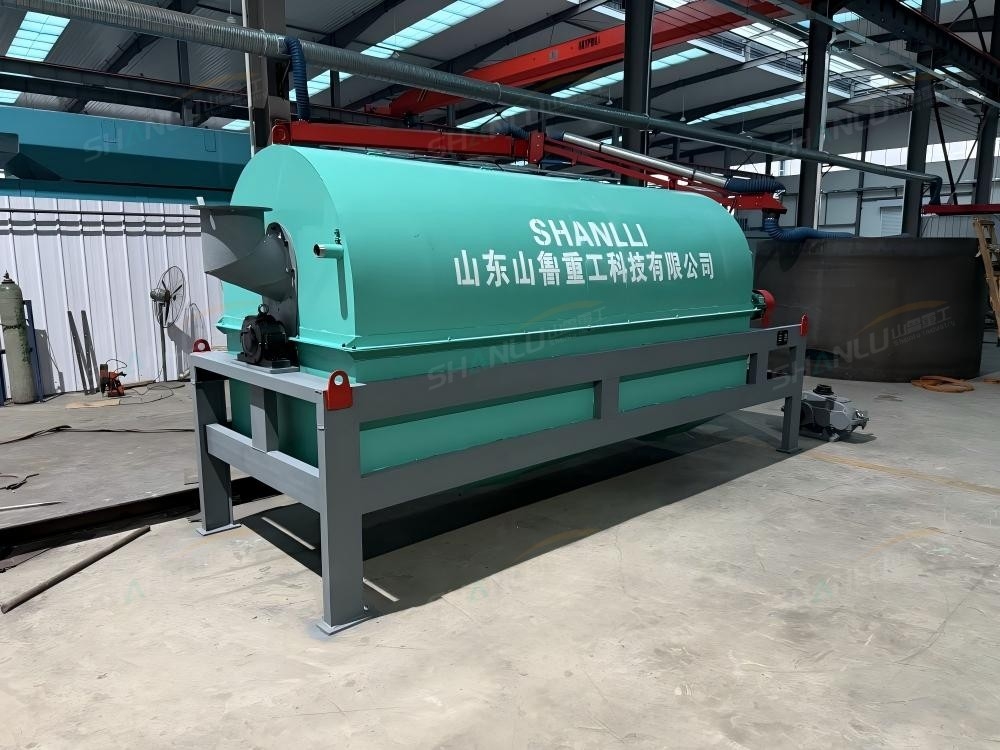
High material moisture content is the primary cause of clogging. When the moisture content of quartz sand exceeds 5%, fine powder adheres to the inner walls of the screen holes, accumulating thicker and forming blockages. The higher the moisture content, the faster the clogging. The solution is simple—install a hot air duct or a simple dryer at the front end of the trommel screen to reduce the material moisture content to below 3% before entering screening. If a dewatering screen is already installed at the front end, appropriately extend the dewatering time to reduce the moisture of the material entering the screen.
Worn screen surface cleaning devices become ineffective. Trommel screens are usually equipped with roller brushes or scraper blades to clean the screen surface. When the roller brush wears down to less than half of its original bristle length, the cleaning effect essentially disappears, and screen hole clogging intensifies. Roller brushes are wearing parts; it is recommended to check wear conditions every three months and replace them promptly. During downtime, a high-pressure water gun can be used to flush the screen holes, but keep the water pressure within 0.5MPa to avoid damaging the screen mesh.
Mismatched screen hole size and material can also cause clogging. If the screen holes are too small, particles easily get stuck in the holes; if too large, screening accuracy is insufficient. The appropriate aperture should be selected based on the incoming material particle size distribution—a common configuration is a three-layer screen mesh with 20mm on the top layer, 5mm on the middle layer, and 1mm on the bottom layer. If the raw material contains many flaky particles, the screen holes should be enlarged by one grade to reduce the chance of jamming.
During daily inspections, observe the particle size of the undersize material once per shift. If a large amount of coarse particles that should have been retained are found mixed in the undersize material, it indicates that clogging has become severe and cleaning should be arranged immediately. For equipment operation-related issues, feel free to contact the Shanlu Heavy Industry technical team: Manager Zhang 13583776655 (same on WeChat).
label:
related news


E-mail:
Hotline:
cell phone:
Copyright © 2012-2026 Shandong Shanlu Heavy Industry Technology Co., LTD All rights reserved 备案号:鲁ICP备2020040039号
