 简体中文
 English


Why is the discharge from a three-pass dryer always unevenly dried?
release time:
2026-11-24
The three-pass rotary drum dryer works through three concentric cylinders connected in series. Material travels from the inner cylinder to the middle cylinder and then to the outer cylinder, moving back and forth in stag
The three-pass rotary drum dryer works by connecting three concentric cylinders in series: material travels from the inner cylinder to the middle cylinder and then to the outer cylinder, reversing direction at each stage and exchanging heat fully with the hot air. However, many customers encounter a hidden problem: the moisture content of the discharged material is always uneven—some material in the same batch is thoroughly dried while some is still damp—even though the hot air temperature and drum rotation speed are normal. The problem often lies in material bypassing between the three cylinders through the partitions.
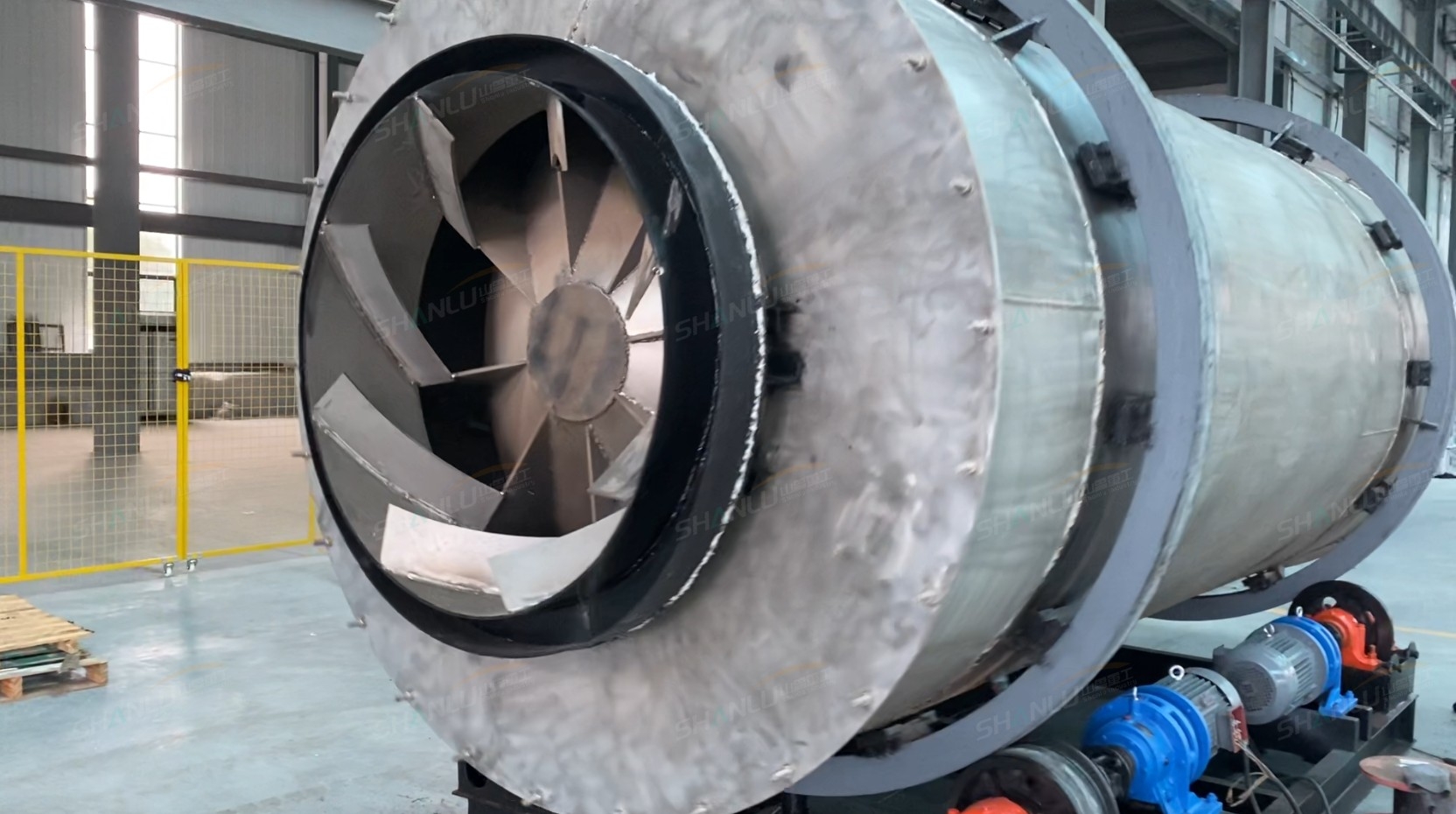
Worn partitions or cracked welds let material take a "shortcut." The end partitions between the three cylinders guide the material to reverse direction. The welds connecting the partitions to the cylinders are subjected to long-term material scouring and thermal expansion and contraction, gradually developing cracks or even local detachment. Material no longer reverses along the designed path but instead bypasses directly through the cracks into the next cylinder layer; this portion of material has a greatly shortened residence time in the drum and is discharged before being fully dried. This shows up as a mixture of dry and wet material in the discharge, with the proportion of wet material related to the degree of partition damage. It is recommended to enter the drum through the manhole door every six months to check the partition welds for cracks or rust marks; rust-water traces are often the starting point of cracks. Repair cracks by welding promptly, and replace severely detached partitions.
Insufficient partition height or incorrect installation angle means material cannot be lifted over and flows back. The partition's role is to "scoop" material up and feed it into the next cylinder layer. When the height is insufficient, material cannot be lifted over the partition and accumulates back and forth inside the drum; some material is repeatedly overheated and overdried, while some material cannot enter the next layer for a long time. Check whether the partition height matches the design drawings and whether the installation angle is inclined toward the discharge direction. When the top of the partition wears down and becomes lower, weld it back up to restore the height promptly.
Material bypass in the cylinders is also related to excessive feed rate. When the feed rate exceeds the design capacity, the material fill rate inside the drum becomes too high, the partitions cannot guide all the material into the next layer in time, and a large amount of material accumulates inside the drum or even overflows the top of the partitions and bypasses directly into the outer cylinder. Appropriately reduce the feed rate and observe whether discharge uniformity improves. If bypassing still occurs after the feed rate is normal, then inspect the partitions themselves.
If the discharge from a three-pass dryer is uneven in dryness and moisture, don't just focus on adjusting the hot air temperature—look inside the drum to see whether material is bypassing the partitions. If you encounter problems during equipment operation, you are welcome to contact the Shanlu Heavy Industry technical team for communication: Manager Zhang 13583776655 (same on WeChat).
label:
Next
related news


E-mail:
Hotline:
cell phone:
Copyright © 2012-2026 Shandong Shanlu Heavy Industry Technology Co., LTD All rights reserved 备案号:鲁ICP备2020040039号
