 简体中文
 English


Why is the gas bill rising even though the single-drum dryer's output is normal?
release time:
2026-11-21
During operation of the single-drum dryer, there is an easily overlooked phenomenon: output clearly meets the design requirements and the moisture content of the discharged material is also up to standard, yet gas or coa
During the operation of a single-drum dryer, there is an easily overlooked phenomenon: the capacity has clearly met the design requirements, and the moisture content of the discharged material is also qualified, but the consumption of gas or coal is considerably higher than the design value, and the operating cost is quietly climbing. Operators often only focus on the two indicators of output and moisture, thinking that "as long as it can be dried, it's fine," while ignoring that the thermal efficiency is continuously declining. The problem usually lies in the coordination between the hot air flow direction and the material movement trajectory.
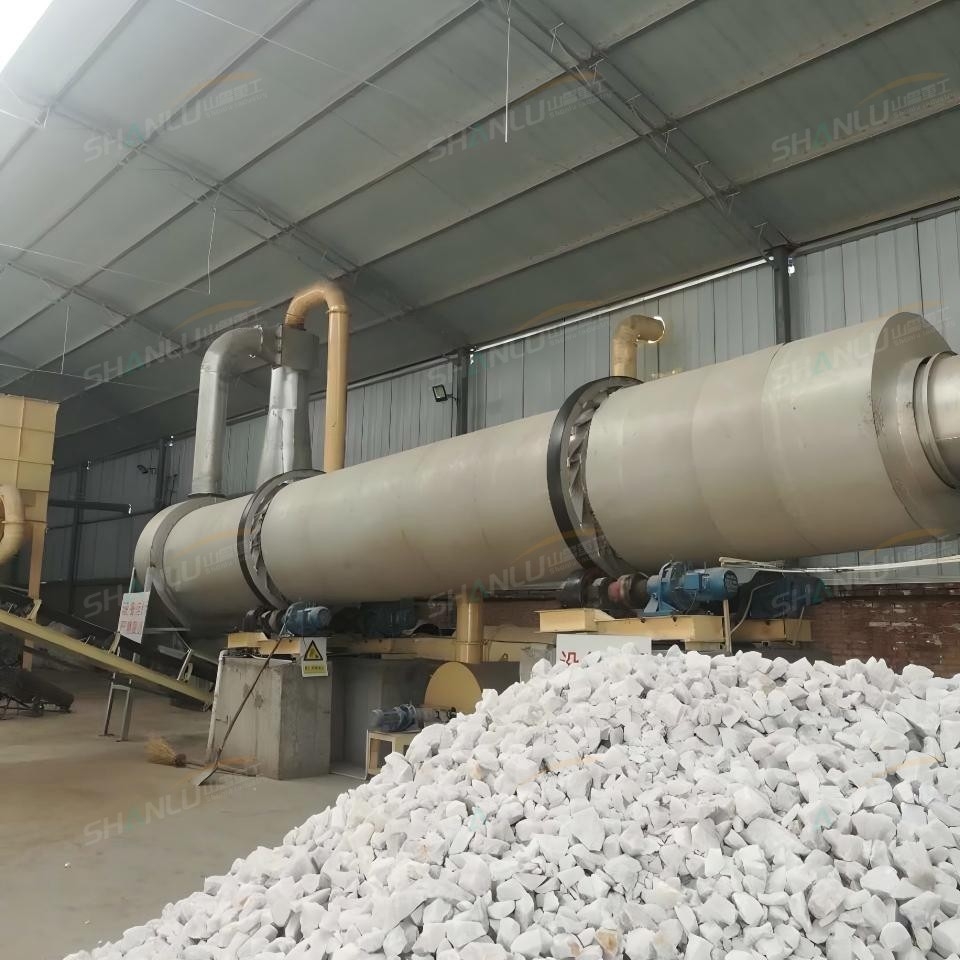
The hot air inside the drum short-circuits, and the heat escapes before it has time to exchange heat with the material. After the hot air of the single-drum dryer enters the drum from the combustion chamber, the ideal state is that it is evenly distributed along the entire length of the drum and fully contacts the material for heat exchange. However, when the internal lifting plates are improperly arranged or some lifting plates are worn or missing, the material is not sufficiently lifted in a certain section of the drum, a gap appears in the material curtain, and the hot air passes directly through the gap and is discharged from the discharge end without sufficient heat exchange. The exhaust gas temperature is noticeably high, and the flue at the discharge end feels hot to the touch, indicating that a large amount of heat is being carried away by the flue gas in vain. It is recommended to enter through the manhole door to check whether the arrangement of the lifting plates is continuous and whether there is large-area loss, install the missing lifting plates, and adjust the spacing to 150-200mm.
Material accumulates at the feed end, and the hot air is "smothered" by the wet material. When the feed rate is too high or the lifting plates at the feed end are worn, the wet sand accumulates too thickly at the head of the drum. After the hot air enters, it must first penetrate the thick material layer to reach the middle and rear sections. Heat exchange in the front half is insufficient, while there is surplus heat in the rear half. This is manifested as qualified moisture at the discharge end but a relatively low surface temperature of the drum at the feed end and a relatively high exhaust gas temperature. Check the wear of the lifting plates at the feed end, appropriately reduce the feed rate so that the material spreads out quickly at the head, and avoid accumulation. Lower the feeder frequency by 5% each time, and observe changes in the exhaust gas temperature and fuel consumption.
The drum insulation layer appears intact, but in reality local areas have already failed. The outer color steel plate of the insulation layer being intact does not mean there is no problem with the internal rock wool—after long-term vibration, the rock wool sinks and compacts, cavities appear in the upper half of the drum, and the insulation effect is greatly reduced. Use an infrared thermometer to measure the surface temperature along the top and side of the drum respectively. When the top is noticeably higher than the side, it indicates that the upper insulation layer has failed. During repair, cut open the color steel plate, add and compact rock wool, and restore the insulation layer thickness. This inspection is not costly, but the energy consumption improvement effect is direct.
Meeting capacity targets does not mean meeting thermal efficiency targets. When fuel consumption is quietly climbing, troubleshooting in the order of "first check the material curtain inside the drum, then check feed accumulation, and finally measure the insulation layer" is more effective than blindly increasing the hot air temperature. If you encounter problems during equipment operation, you are welcome to contact the Shandong Shandong Heavy Industry technical team for communication: Manager Zhang 13583776655 (same on WeChat).
label:
Next
related news


E-mail:
Hotline:
cell phone:
Copyright © 2012-2026 Shandong Shanlu Heavy Industry Technology Co., LTD All rights reserved 备案号:鲁ICP备2020040039号
