 简体中文
 English


What material is more wear-resistant for the spiral blades of a hydraulic classifier?
release time:
2026-11-02
After about a year of operation, the outer edge of the spiral blades of the hydraulic classifier is noticeably thinner, and the gap between the blades and the inner wall of the tank keeps growing, causing the classificat
After about a year of operation, the outer edges of the spiral blades of a hydraulic classifier become noticeably thinner, and the gap between the blades and the inner wall of the tank grows larger and larger, causing classification accuracy to decline accordingly. Blade wear is an unavoidable issue for this type of equipment, but the rate of wear varies—the key lies in how well three factors are controlled: blade material, rotational speed, and material level in the tank.
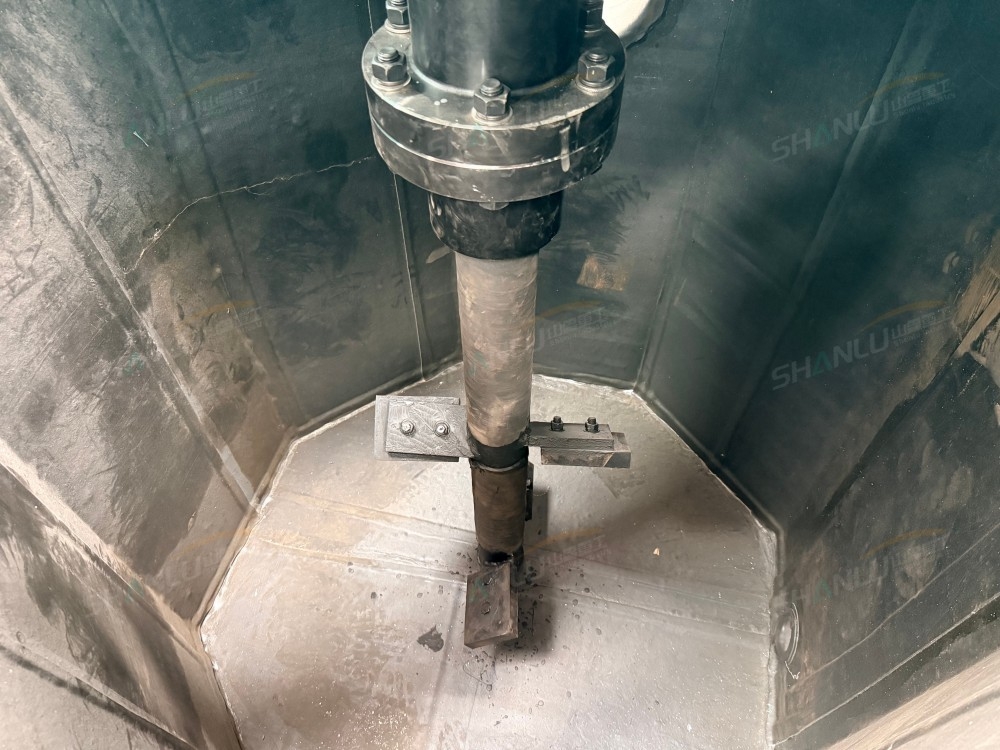
Choosing the wrong blade material can double or triple the wear rate. Under the abrasive action of quartz sand, the outer edges of ordinary carbon steel blades can wear away significantly in just three to five months. It is recommended to use wear-resistant steel (such as NM400) or to overlay a wear-resistant layer on the outer edges of the blades by surfacing welding, which can extend service life by two to three times. When surfacing welding, pay attention to controlling the interlayer temperature to avoid blade deformation. Some manufacturers offer polyurethane-coated blades, which have better wear resistance and are lighter in weight, placing less load on the spiral shaft.
If the spiral rotational speed is too high, friction between the blades and the sand material intensifies. When the rotational speed exceeds the design value, the blade linear velocity is high, increasing the impact and friction intensity with quartz sand particles, and wear naturally accelerates. Check whether the inverter output frequency exceeds the rated value; if it does, appropriately reduce the rotational speed. After reducing the speed, observe the classification effect at the same time; if coarse particles report to the overflow, appropriately increase the rising water flow to compensate.
If the material level in the tank is too low, the blades idling and running dry will also accelerate wear. When the material level is below the centerline of the spiral shaft, some blades are exposed above the liquid surface and idle, unable to receive lubrication and cooling from the slurry, and wear much faster than when submerged in slurry. Keep the material level in the tank stable above the centerline of the spiral shaft by adjusting the overflow weir height and feed rate. Observe the level gauge reading once per shift; if fluctuations are large, check whether feeding and discharging are matched.
During routine inspections, measure the gap between the outer edges of the blades and the inner wall of the tank once a month. When it exceeds 1.5 times the design value, arrange surfacing repair or blade replacement. If you encounter problems during equipment operation, you are welcome to contact the Shanlu Heavy Industry technical team for communication: Manager Zhang 13583776655 (same on WeChat).
label:
related news


E-mail:
Hotline:
cell phone:
Copyright © 2012-2026 Shandong Shanlu Heavy Industry Technology Co., LTD All rights reserved 备案号:鲁ICP备2020040039号
