 简体中文
 English


Is the belt deviation on a magnetic separator's iron discharge belt caused by uneven tension or by the rollers?
release time:
2026-11-05
In wet iron removal from quartz sand using a permanent magnet drum magnetic separator, iron discharge belt deviation is a common problem encountered by many customers. When the belt deviates, one side wears severely whil
In the wet iron removal process for quartz sand using a permanent magnet drum magnetic separator, iron discharge belt misalignment is a problem encountered by many customers. When the belt runs off-track, one side wears severely while the other side is suspended, iron powder cannot be discharged cleanly, and the belt edge rubs against the frame, producing abnormal noise. The problem usually lies in belt tensioning, roller adjustment, and drum parallelism.
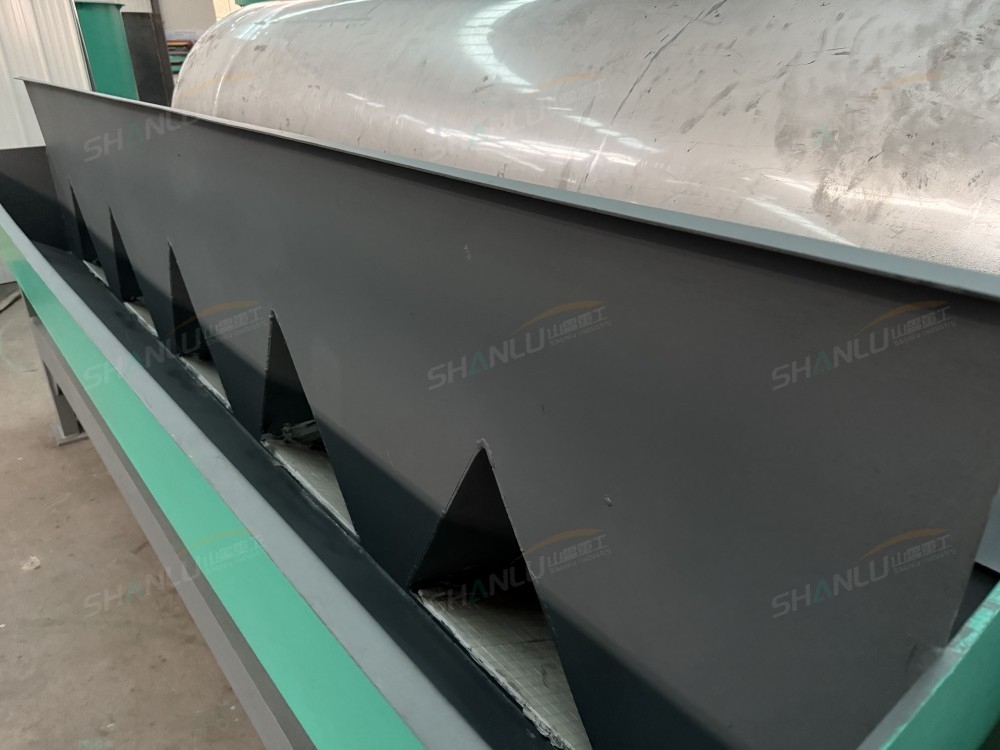
Inconsistent tension on both sides is the most common cause of belt misalignment. The iron discharge belt is tensioned by tensioning devices on both sides. If the adjustment amounts of the tensioning bolts on both sides differ, one side of the belt will be tight while the other is loose, and during operation it will naturally run toward the loose side. When adjusting, first loosen the tensioning bolts on both sides completely, then retension evenly until the belt neither slips nor runs off-track. Observe whether the belt stays centered during operation; whichever side it runs toward, appropriately tighten the tensioning bolt on that side, adjusting half a turn each time, then observe for ten minutes before fine-tuning.
Improper roller adjustment can also cause belt misalignment. The function of the roller is to support the belt and guide its running direction. When the roller axis is not perpendicular to the belt running direction, lateral force is generated on the roller. Adjust the positioning bolts of the roller bracket so that the roller axis is parallel to the drum axis, with deviation controlled within 1 mm. Use a straightedge against the side of the roller and the side of the drum for comparison, and visually check whether the belt is centered.
When the drum parallelism deviation is relatively large, belt misalignment is difficult to correct through tensioning and roller adjustment. Use a level to check whether the heights at both ends of the drum are consistent; when the deviation exceeds 1 mm, adjust the shims under the drum base. After the drum parallelism is calibrated, readjust the belt tension and roller position. When the drum surface is unevenly worn, the belt runs off-track at the grooves, and severely worn drums need to be replaced.
During daily inspections, observe whether the belt stays centered every shift. If misalignment is found, adjust the tensioning bolts promptly; do not wait until the belt edges are worn through. If you encounter problems during equipment operation, you are welcome to contact the Shanlu Heavy Industry technical team for communication: Manager Zhang 13583776655 (same on WeChat).
label:
Next
related news


E-mail:
Hotline:
cell phone:
Copyright © 2012-2026 Shandong Shanlu Heavy Industry Technology Co., LTD All rights reserved 备案号:鲁ICP备2020040039号
