 简体中文
简体中文 English

How to Determine If the Bearing of a Permanent Magnetic Drum Separator Is Damaged?
release time:
2026-10-12
During operation of the permanent magnetic drum separator, the bearing temperature remains persistently high, and the bearing housing shell is too hot to touch. This is an equipment hazard encountered by many customers.
During operation of the permanent magnetic drum separator, the bearing temperature remains persistently high, and the bearing housing shell is too hot to touch — a hidden equipment risk encountered by many customers. If bearing overheating is not addressed in time, at best the grease is lost and wear accelerates; at worst the bearing seizes and the drum stops rotating, forcing the entire production line to shut down.
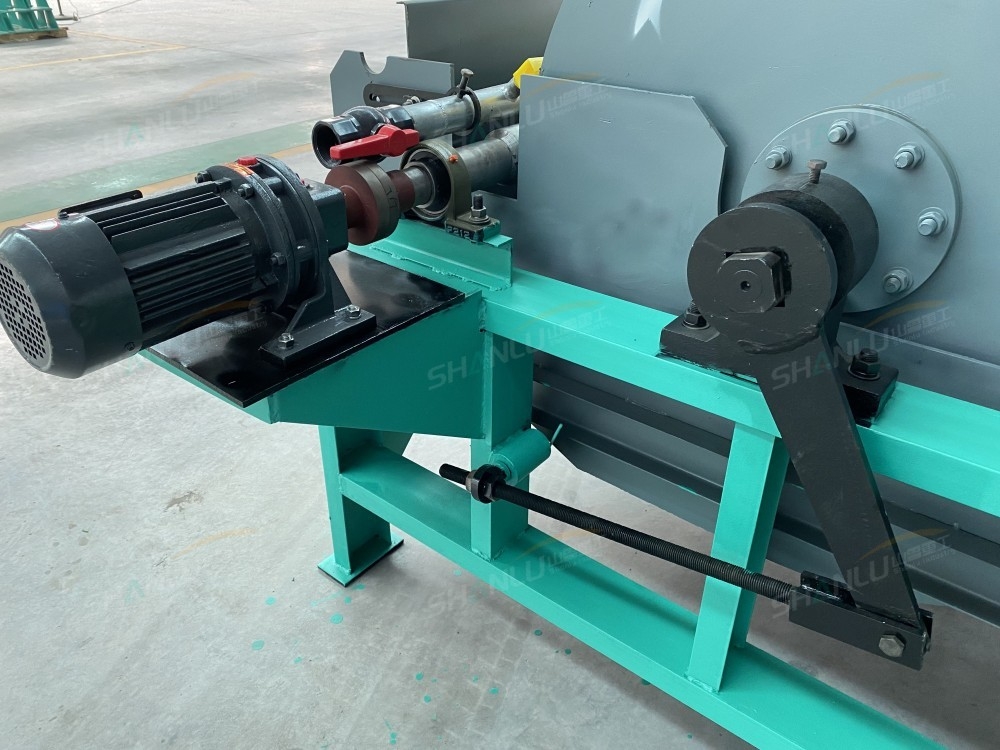
Insufficient or deteriorated grease is the most common cause of bearing overheating. Drum bearings work in a high-dust environment, so grease is consumed quickly; once oil is lacking, the balls rub directly against the raceways and the temperature rises rapidly. It is recommended to check the bearing temperature once a week, keeping it normally below 65°C. Replenish lithium-based grease every 500 working hours, and completely replace it every six months. Be careful not to overfill — too much grease also causes churning and heat generation. If the old grease has turned black and hard, it has deteriorated; clean the bearing cavity before refilling.
Bearing wear or improper installation can also cause high temperatures. After long-term operation, the balls wear and the cage deforms, increasing rotational resistance and raising the temperature. Turn the drum by hand — if you feel obvious jerking or hear abnormal noise, the bearing is damaged and must be replaced immediately. When installing a new bearing, press it in evenly with a special tool; avoid striking it directly with a hammer, as the hidden damage from hammering will cause the new bearing to overheat again very soon. Also check the fit clearance between the bearing and the shaft — if the interference is insufficient, the inner ring slips on the shaft and friction generates heat.
Seal failure allows dust to enter the bearing cavity, accelerating wear and heat generation. After the seals at both ends of the drum age, quartz sand dust seeps into the bearing cavity and mixes with the grease into an abrasive paste, multiplying the bearing wear rate. Check the seal condition once a quarter and replace immediately if hardening or cracking is found. When installing a new seal, apply an appropriate amount of grease to the lip — this improves sealing performance and makes the next removal easier.
During routine inspections, watch for oil leakage, abnormal noise, or vibration at the bearing housing. If the temperature remains persistently high, troubleshoot one by one in the order of "check the grease first, then the bearing condition, and finally the seal." For equipment operation questions, you are welcome to call Shanlu Heavy Industry: Manager Zhang 13583776655 (same on WeChat).
label:
Next
related news


E-mail:
Hotline:
cell phone:
Copyright © 2012-2026 Shandong Shanlu Heavy Industry Technology Co., LTD All rights reserved 备案号:鲁ICP备2020040039号
