 简体中文
简体中文 English

What causes water ingress into the drum of a permanent magnetic drum separator?
release time:
2026-10-08
When a permanent magnetic drum separator operates in a wet quartz sand production line, water entering the drum interior is a problem many customers have encountered. Slurry seeps into the drum through the seals, which a
When the permanent magnetic drum separator operates in a quartz sand wet processing line, water entering the drum interior is a problem many customers have encountered. Slurry seeps into the drum through the seals; at best this causes the magnetic blocks to become damp and lose magnetism, and at worst it corrodes the magnetic yoke and bearings, greatly reducing the equipment's iron removal capacity, and in severe cases the entire magnetic separator is scrapped. The root cause usually lies with the seals.
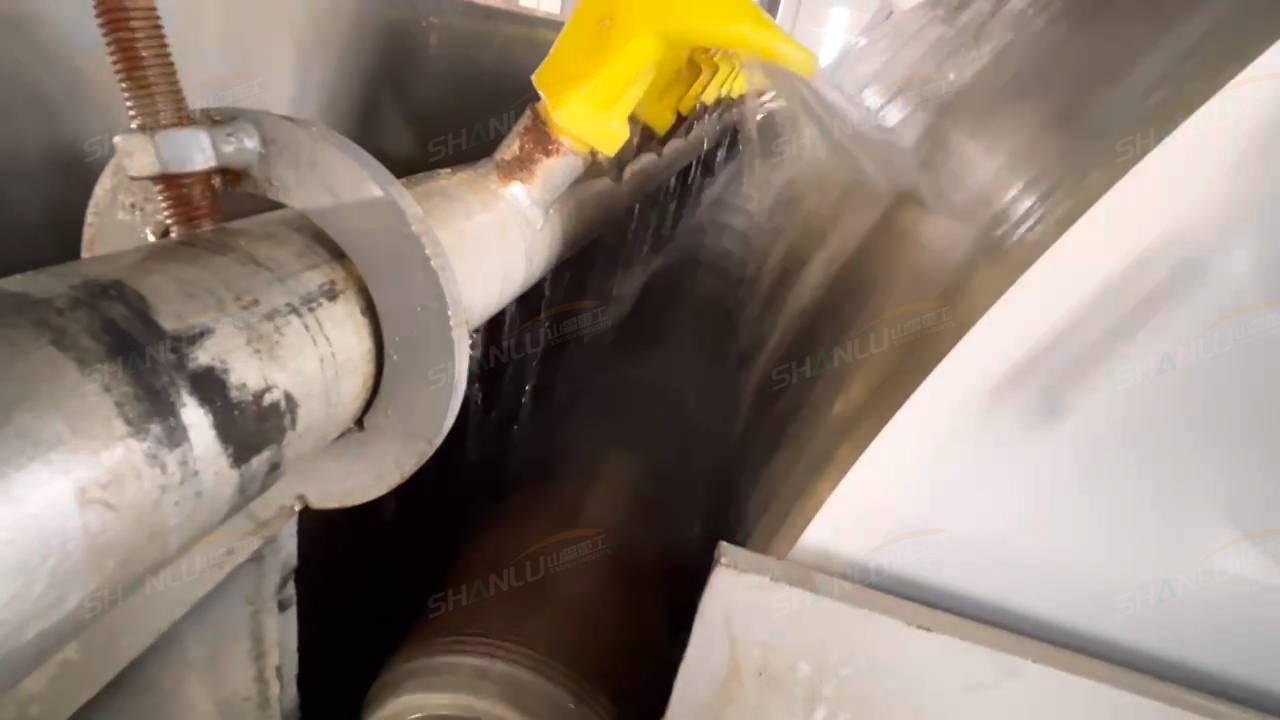
Aging and failure of the sealing rings is the primary cause of water entering the drum. Both ends of the drum typically use skeleton oil seals or O-rings. After long-term immersion in slurry and temperature fluctuations, the rubber gradually hardens and cracks, losing its sealing function. It is recommended to check the sealing ring condition once a quarter. Press the sealing lip with your finger; if it feels hard or shows cracks, replace it immediately. When replacing, apply an appropriate amount of lithium-based grease to the sealing lip, which both improves the sealing effect and makes future disassembly easier. Pay attention to the orientation when installing a new sealing ring; the lip must face the slurry side to effectively block liquid from seeping in.
Loose bolts on the drum end cover can also cause water ingress. The drum is subjected to continuous vibration during operation, so the end cover fixing bolts tend to loosen, creating gaps in the sealing surface through which slurry seeps in. During every shutdown for maintenance, check the end cover bolts one by one with a torque wrench and tighten them evenly in a diagonal sequence. If bolt hole threads are stripped, re-tap them or replace the end cover. When assembling, apply a layer of sealant to the joint surface between the end cover and the drum to further improve the waterproofing effect.
Wear or cracks on the drum surface are another hidden path for water ingress. Quartz sand is highly abrasive, and after prolonged friction the drum shell wears thinner, sometimes developing tiny cracks through which slurry seeps in. Measure the drum shell thickness monthly with a caliper, and replace it promptly when the wear approaches one third of the original thickness. If cracks appear on the drum shell surface, they can be beveled with an angle grinder, repaired by welding, ground smooth, and then put back into service.
During routine inspections, watch for water droplets being thrown off as the drum rotates, or after shutdown open the end cover to check for signs of water accumulation inside. If water ingress is found, stop the machine immediately to drain the water, dry the drum interior with hot air, and check the condition of the magnetic blocks and bearings. For equipment operation-related questions, you are welcome to call Shanlu Heavy Industry: Manager Zhang 13583776655 (same on WeChat).
label:
Next
related news


E-mail:
Hotline:
cell phone:
Copyright © 2012-2026 Shandong Shanlu Heavy Industry Technology Co., LTD All rights reserved 备案号:鲁ICP备2020040039号
