 简体中文
 English


What to Do If the Surface Temperature of the Magnetic Roller on a Dry Roller Magnetic Separator Is Too High?
release time:
2026-10-21
In the dry iron removal of quartz sand using a permanent magnet dry roller magnetic separator, an excessively high surface temperature of the magnetic roller is an easily overlooked problem. Once the magnetic roller temp
In dry iron removal from quartz sand using a permanent-magnet dry roller magnetic separator, excessive surface temperature of the magnetic roller is an easily overlooked problem. Once the magnetic roller temperature rises, the magnetic force of the NdFeB magnetic material gradually decays, and the iron removal effect quietly declines—and this decay is often irreversible. The problem usually lies in two areas: magnetic roller heat dissipation and feed temperature.
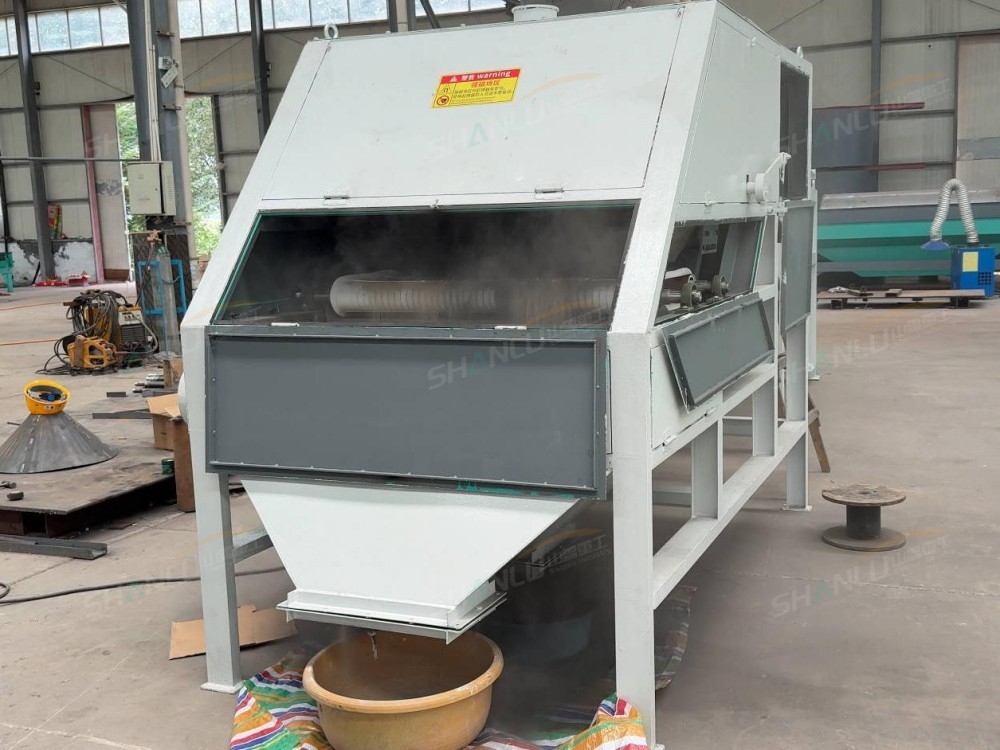
Excessively high feed temperature is the primary cause of magnetic roller heating. If the hot sand from the upstream dryer is fed directly into the magnetic separator without sufficient cooling, it conducts heat to the magnetic roller, and the roller surface temperature can reach over 70°C. When the operating temperature of NdFeB magnetic material exceeds 80°C, its magnetic domain structure begins to become unstable, and over time the magnetic force decays permanently. It is recommended to install a cooling conveyor section between the dryer and the magnetic separator, allowing the sand to cool naturally to below 40°C before entering magnetic separation. If production line space is limited, an air-cooling device can be added before the magnetic separator to quickly remove heat from the material with cold air.
Blocked internal heat dissipation structures in the magnetic roller can also cause heat accumulation. Some magnetic rollers are designed with internal ventilation channels or heat dissipation holes. After long-term operation, dust enters the ventilation channels and blocks the heat dissipation passages, so heat inside the magnetic roller cannot escape. Every quarter, remove the end cover and blow out the internal ventilation channels with compressed air to keep the heat dissipation passages clear. If the magnetic roller is fully enclosed, check whether the external cooling fan is operating normally and replace damaged fans promptly.
Excessive feed rate causes the magnetic roller to run continuously under high load, which also leads to higher temperatures. As material passes quickly over the magnetic roller surface, friction generates heat—the larger the feed rate, the more frictional heat. Check whether the feed rate exceeds the equipment's rated processing capacity. If it does, appropriately reduce the feed speed, or widen the effective width of the magnetic roller to distribute the load. It is recommended to keep the magnetic roller surface temperature below 60°C. If it feels hot to the touch, stop the machine and investigate.
During daily inspections, touch the magnetic roller bearing housing with the back of your hand each shift to feel the temperature. If it is noticeably high, troubleshoot in this order: first check feed temperature, then check heat dissipation passages, and finally check feed rate. If you encounter problems during equipment operation, you are welcome to contact the Shanlu Heavy Industry technical team: Manager Zhang 13583776655 (same on WeChat).
label:
Next
related news


E-mail:
Hotline:
cell phone:
Copyright © 2012-2026 Shandong Shanlu Heavy Industry Technology Co., LTD All rights reserved 备案号:鲁ICP备2020040039号
