 简体中文
 English


What Happens When the Feed Moisture Content of an Electromagnetic Dry Powder Magnetic Separator Exceeds the Limit?
release time:
2026-10-22
Electromagnetic dry powder magnetic separators are used for fine powder iron removal in the dry purification of quartz sand, but many customers overlook the feed moisture content indicator. When the material moisture exc
Electromagnetic dry powder magnetic separators are used for iron removal from fine powder in the dry purification of quartz sand, but many customers overlook the feed moisture content. When material moisture exceeds the limit, the magnetic separator appears to run normally, yet iron removal performance is quietly compromised, and finished product iron content occasionally exceeds specifications.
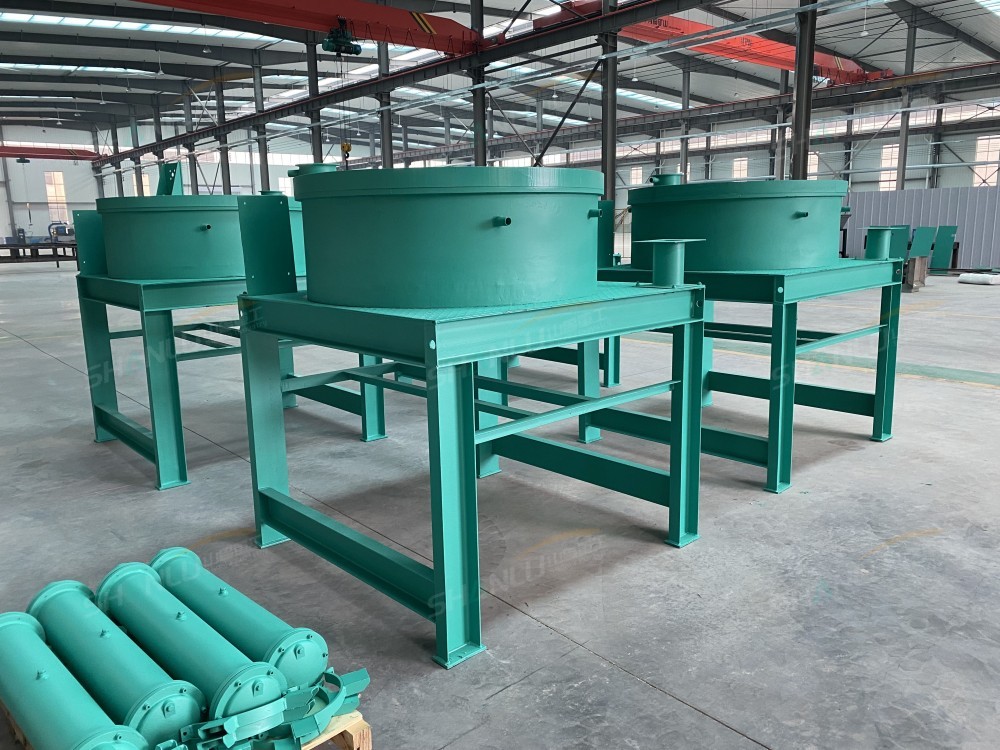
When moisture content exceeds 1%, fine powder begins to agglomerate and adhere. The magnetic field in dry magnetic separation works on the premise that material particles are dispersed from one another and can pass freely through the magnetic field zone. When moisture exceeds the limit, fine powder forms small agglomerates, and magnetic impurities encapsulated inside these agglomerates are shielded from the magnetic field and enter the concentrate along with the agglomerates. More troublesome still, damp material readily adheres to the surface of the magnetic matrix and magnetic roll, forming a layer of material crust that blocks magnetic field lines and further reduces adsorption capacity. It is recommended to install an online moisture analyzer ahead of the magnetic separator, or to sample and oven-dry test each shift, ensuring feed moisture content is controlled below 1%.
When moisture exceeds the limit, the cleaning interval for the magnetic matrix is noticeably shortened. Under normal conditions, the magnetic matrix needs cleaning only once a week; when moisture exceeds the limit, fine powder adheres quickly, and the gaps in the magnetic matrix become fully clogged within two to three days, requiring frequent shutdowns for cleaning. Shortening the cleaning interval can serve as a temporary measure, but the fundamental solution is to control material moisture at the source by adding a hot air drying device ahead of the magnetic separator or extending the upstream drying time.
High material temperature combined with excessive moisture makes agglomeration even worse. When dryer discharge temperature is too high and the material enters the magnetic separator directly, the hot material meets cool air and condenses inside the equipment, worsening fine powder adhesion. It is recommended to leave a natural cooling conveyor section between the dryer and the magnetic separator, allowing material temperature to drop below 40°C before entering magnetic separation.
During routine inspections, watch for agglomeration or adhesion on the surface of the magnetic matrix; if the cleaning interval is noticeably shortened, check feed moisture content first. For any equipment operation issues, you are welcome to contact the Shanlu Heavy Industry technical team: Manager Zhang 13583776655 (same on WeChat).
label:
Next
related news


E-mail:
Hotline:
cell phone:
Copyright © 2012-2026 Shandong Shanlu Heavy Industry Technology Co., LTD All rights reserved 备案号:鲁ICP备2020040039号
